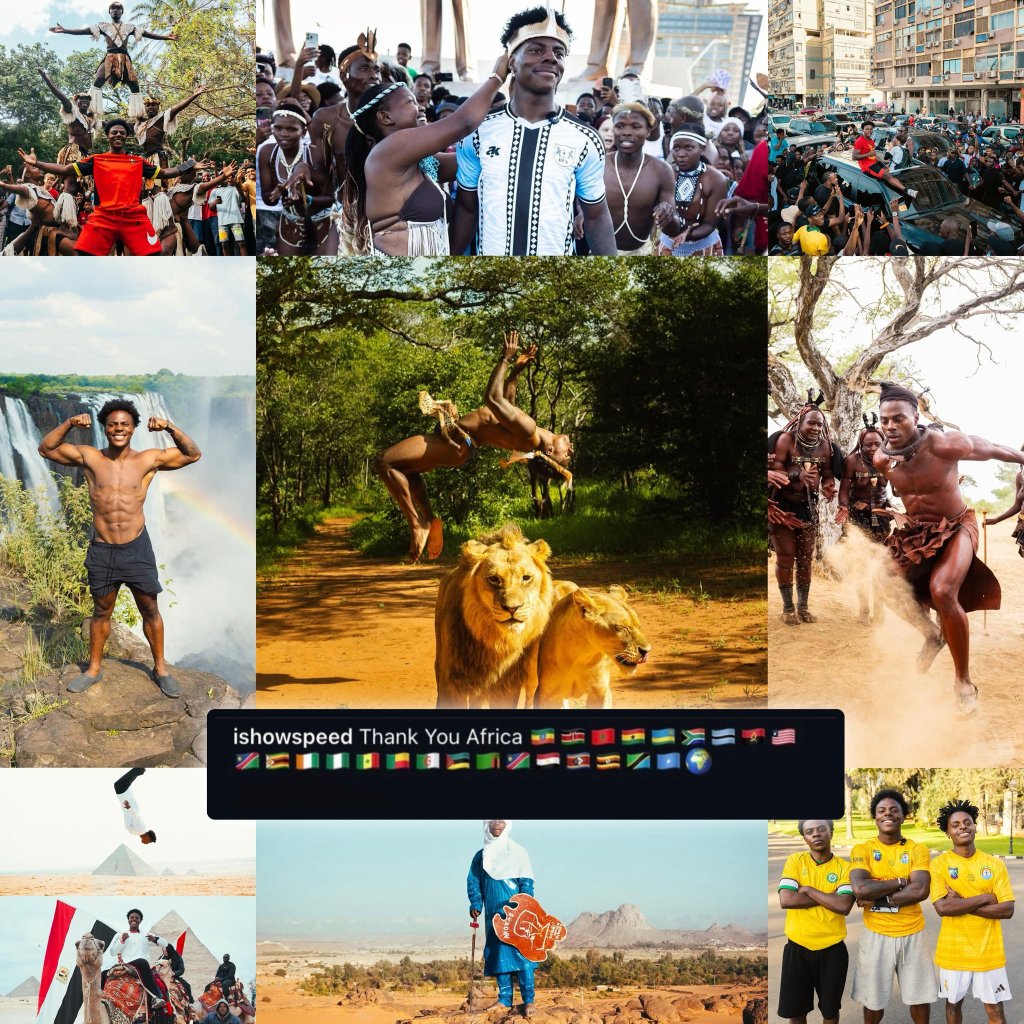
YouTube Streamer IShowSpeed embarked on his tour of various African countries on 29 December 2025, beginning in Angola and travelling for 28 days, making his final stop in Namibia. Various hints on his social media were dropped that this would be taking place some weeks before the trip, and so, internet users waited expectedly for the results. We have all been delighted to find out that his trip went far better than we all expected!
As viewers watched each minute of his streams or merely caught up on the highlights via snippets on YouTube and various socials medias such as Facebook, Instagram, TikTok and Twitter, Africa’s long standing negative image was turned around. This fascinated people in many parts of the world, and inspired young Africans to take destiny into their own hands.
Organisation
Speed’s trips were planned well in advance, hence, the high levels of organisation allowed for a smooth flow from one country to the next over a period of twenty-eight days. This was the first stereotype of Africa to be debunked. While many governments and businesses within the continent have, indeed, failed to be organised for their own people, viewers were impressed as they witnessed the coordination efforts each country’s Tourism Ministry took to ensure Speed’s safety and easy travel through some of the most treasured and valued parts of the cities he visited.
Each of the capital cities he visited were also clean, defying the negative stereotype of dirty African slums. Granted, this is partially because Speed, real name, Darren Watkins Jr, did not visit particularly impoverished and neglected areas of the city. However, it did display that the city councils in the cities he visited were capable of ensuring the streets were pristine and presentable.
Creative, not Idle Minds
Africa is often portrayed as a place where not much happens. Another negative stereotype is of people with so little to do due to low employment that they just spend time playing around and dancing. Speed’s trip instead showed massive creative potential amongst African youth. He encountered multiple people who had created art of him, ranging from portraits of him and Cristiano Ronaldo, to large murals, to sand art of his face.
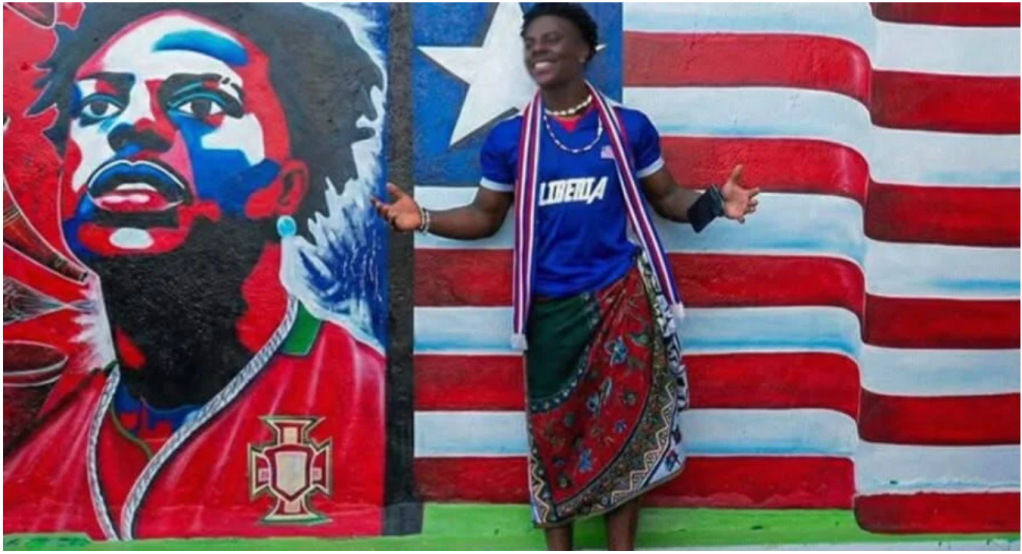
Various dances were presented to him, particularly in Benin, Botswana, and Liberia, as part of these countries’ heritage and something they are deeply proud of. African youth were shown for their immense talents and creative potential, rather than as lazy and entitled delinquents waiting for a handout.
Resilience
He travelled to some countries that have an international reputation for poverty and struggle, however, he was shown that this is not a blanket experience for the entire population of those places. In Zimbabwe for example, he was shown some popular chill spots by his lookalike, Superstar Jani (Mudiwa Jani), after having seen some of Zimbabwe’s heritage such as the Mbuya Nehanda statue.
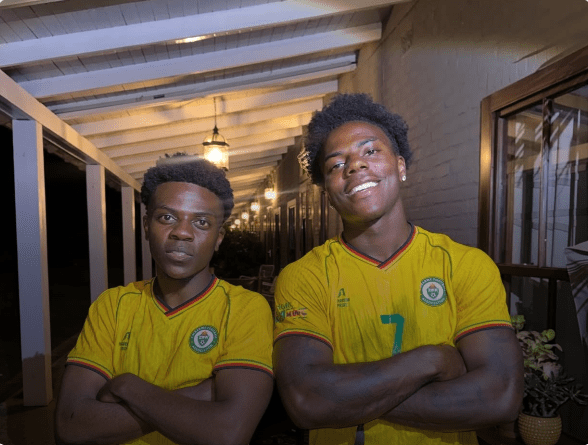
Equally, countries such as Mozambique, that is often not in the media unless portrayed negatively due to its intermittent issues with civil unrest, cyclones, and poverty, was given a positive portrayal, as were small economies such as Lesotho, Namibia, and Zambia.
Granted, Speed would naturally be shown more affluent and famous people in these countries as they would want to make a good impression. However, he interacted with thousands of ordinary people who were walking on the streets as his tours went on, and we were shown the wide variety of lifestyles people live in Africa. We could see wealth disparity among the haves and have not, but not in a way that portrays Africa as a pitiful place. Instead, we could be its multiplicity and the ways in which people from various walks of life cope with their day to day routines.
Market potential
Speed also highlighted just how impactful the engagement of African youth can be to a brand. When he landed in Kenya, his stream grew tremendously, with 387,000 concurrent viewers. However he soon discovered that there was more to come. He travelled to Ethiopia, where he had an even larger stream, pushing him beyond 48.5 million subscribers, coming close to 49 million. He met another lookalike, Yonas Tesfaye, who ended up experiencing his own influx of followers. Egypt’s stream also gained him more subscribers. He celebrated passing 50 million subscriber on his 21st birthday while he was in Nigeria.
Enthusiastic LinkedIn users took to writing posts about the marketing ability African youth have, highlighting that the stream itself defied traditional marketing tactics and opening our minds up to a new avenue of gaining market share. They also highlighted how well African governments used this opportunity to market their tourism sites and heritage, as well as how business owners capitalised on an opportunity to reach a global audience and increase their sales.
Africa’s young population represents a large part of the global market that is ignored and untapped. However, it is important for Africa to see itself as a primary market, and Speed’s stream of our countries show us what we do not value even in our own neighbours. African streamer, Wode Maya, gained traction during Speed’s tour, highlighting that other Africans have tried to market their own continent but face various barriers to making it global, while Yonas Tesfaye is rumoured to be launching his own Africa tour.
Africans deserve ease of travel in their own continent and to soak in the beauty of the entirety of their own countries, as well as of their neighbours. While attracting global investment can magnify our success, starting locally and looking within is paramount.
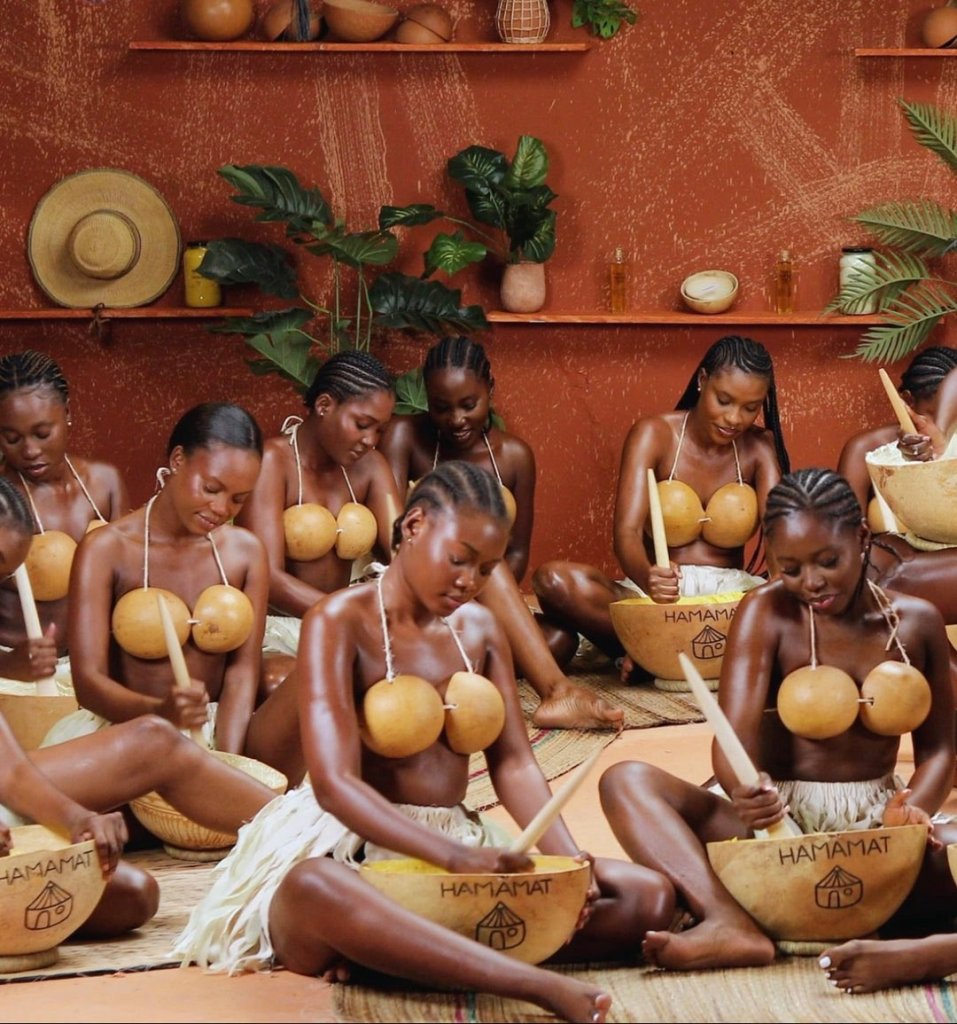
One of the biggest winners of the hype surrounding Speed’s tour was the Shea Butter Museum in Ghana, who are now fully booked well into March.
Strict Security
Africa is often portrayed as having poor security networks. However, despite a difficult stream in Egypt, what we were able to observe is the high levels of protection the country invests in its cultural heritage sites. Ancient historical monuments and artefacts within Egypt are priceless. While it was disappointing that Speed did not see more of its history, it is understandable that Egypt does not want open access to its ancient priced possessions. It shows that African countries do, in fact, take themselves and their stories seriously, and are willing to put in the efforts to protect themselves.
Taking Pride in Ourselves
Having seen the huge potential Africa has, not only in tourism, but in products such as shea butter, and service such as hospitality and catering, we should use this trip as inspiration to build our countries for the next generations. While the trips were a huge success, it is important to remember the barriers the average African has when travelling to their own neighbour’s country, ranging from difficult visa regimes, struggles acquiring a passport, and travelling on dangerous roads. These could all be alleviated for Speed, a person who is wealthy and can afford swift transport between countries.
This prompts us to think about how we can expand the connectivity among our countries and break down the barriers to visiting our own regional brothers and sisters. Ensuring that we have more roads, expand our railways networks, increase regional flights that do not require us to pass through Ethiopia or Kenya all the time before travelling to West Africa, for example, and ensuring that we can be safe wherever we go, is essential to tapping into Africa’s potential for local and international travel.
We take it for granted that we have so much to learn from each other long before we teach other people our history. I myself was blown away by Benin’s cleanliness, development and organisation, as this is a country I had not often seen in the media. Other countries also deserve the chance to show case their beauty on large platforms.
In conclusion, I hope to see African governments working hard to realise the vision for Africa that has been ignited in the youth’s hearts and invest fully in the growth of their country, with consideration for regional collaboration in mind. It would be a shame if the enthusiasm currently felt by African people is not channelled the right way.
Africa deserves to write it’s story with its own pen. There is no better time to plan that story than now!
 Sasha's Space